when working as a server in cambodia, risk management is the basic work to ensure business continuity and data security. this article focuses on the characteristics of the localized operating environment, systematically sorts out common security threats and protective measures when setting up servers in cambodia, and helps companies formulate executable security strategies that take into account compliance and cost-effectiveness.
cambodia's network infrastructure, power supply stability and regulatory environment are different from those in developed markets, so operating servers in cambodia faces unique risks. common issues include power outages, bandwidth fluctuations, local legal and data sovereignty requirements, and cross-border connection delays, which can impact availability and compliance and need to be prioritized in risk assessments.
when working as a server in cambodia, common cyber threats include ddos attacks, vulnerability exploitation, unauthorized access and credential leakage caused by phishing. configuration errors and failure to patch in time at the application layer can be exploited. it is recommended to implement layered protection, waf, intrusion detection and the principle of least privilege to reduce the attack surface and speed up response.
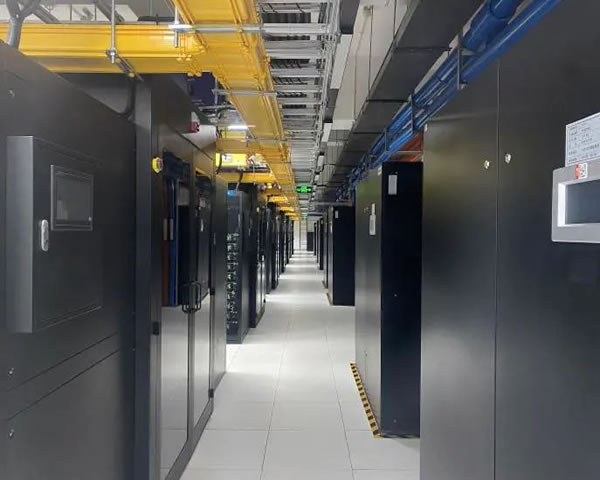
physical risks are significant in cambodia, including unstable power supply in data centers, air conditioning failures and natural disasters. therefore, when building servers in cambodia, it is necessary to evaluate the level of computer rooms, redundant power supplies and generators, fire protection and flood control measures, and consider off-site backup and cross-region disaster recovery to ensure that key services can still be restored in the event of infrastructure failure.
insider threats and supply chain risks are equally important in localized deployments. when operating a server in cambodia, you should control third-party access rights, conduct background checks on outsourced operation and maintenance, and sign sla and security terms. implementing audit logs, regular permission reviews, and security awareness training can significantly reduce risks caused by human operations or vendor vulnerabilities.
when operating a server in cambodia, you need to pay attention to data protection laws, cross-border data transmission restrictions and industry regulatory requirements. compliance risks include failure to meet customer or regulator requirements for data sovereignty, privacy protection and record keeping. it is recommended to work with legal counsel to develop a privacy and data processing policy that complies with cambodian regulations.
establishing a complete risk management process is crucial for doing server work in cambodia. core practices include regular risk assessment, hierarchical protection, patch management, backup and drills, monitoring alarms and incident response processes. combine localized sla and supplier assessment to form quantifiable security indicators and continuously improve them.

overall, risk management requires taking into account four types of risks: network, physical, personnel and compliance. it is recommended to conduct a comprehensive risk assessment first, prioritize availability and data sovereignty issues, implement layered protection and disaster preparedness drills, and establish a continuous monitoring and compliance review mechanism to ensure long-term stable and compliant operations.
- Latest articles
- Analyzing Japanese cloud server purchase websites from the perspective of customer reviews: What it means and how to judge quality
- Comparative Analysis of Performance and Security between Native Vietnamese IP Cloud Servers and Traditional VPS
- Popular tags
-

cambodian lol mobile game server selection and game experience analysis
analyze the choice of cambodian lol mobile game server and game experience, explore the impact of different servers on player experience, and provide practical suggestions. -

public science on why cambodia has become the focus of regulatory crackdowns on mobile gambling servers
analyze why cambodia has become a key target of regulatory crackdowns, explain the reasons from the perspectives of judicial supervision, capital flow, technical characteristics and international cooperation, and put forward compliance and prevention suggestions. -
key factors for choosing a high-quality server in cambodia
understand the key factors for selecting high-quality servers in cambodia, including network stability, data center location, security, etc., to help enterprises make wise choices.